BLOG
Kitchen Remodel Costs: Where the Budget Really Goes
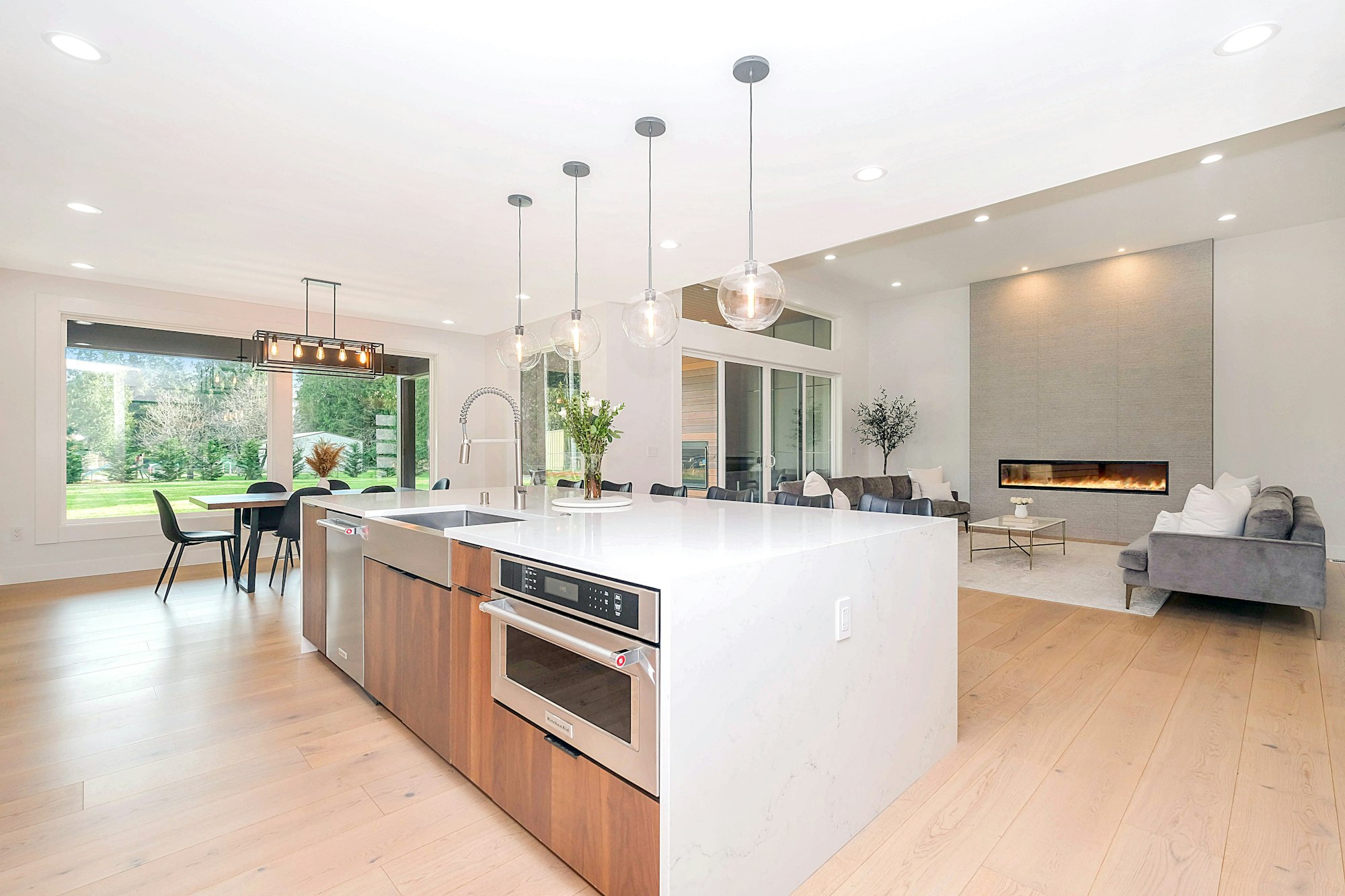
Most homeowners start a kitchen remodel with a number in mind. Very few know how that number will be split once the work begins. Understanding where the money goes helps you plan better, avoid surprises and decide where to spend and where to save.
Every kitchen is different, but the same five areas take most of the budget in almost every project: cabinets, labor, appliances, worktops and finishes. Here is how each one works and what drives its cost.
Cabinets Take the Biggest Share
In most remodels, cabinets are the single largest cost, often around a third of the total. The price depends less on the size of the kitchen and more on how the cabinets are built and finished.
Stock cabinets come in standard sizes. They are the most affordable and the fastest to install.
Semi-custom cabinets offer more sizes, finishes and inside fittings at a moderate price.
Custom cabinets are built for your room and fit every inch, but they take longer and cost more.
Inside fittings add up quickly too. Pull-out pantries, corner carousels and drawer organizers make a kitchen easier to use, but each one adds to the price. Choose the ones you will actually use every day.
Labor and Installation
Labor usually comes second. It covers demolition, plumbing, electrical work, carpentry, tiling and finishing. The amount of labor depends mostly on how much the layout changes.
Keeping the Layout
When the sink, cooktop and fridge stay in place, existing pipes and wiring can be reused. The project moves faster and costs less.
Changing the Layout
Moving a sink to an island or removing a wall means new plumbing, new circuits and sometimes structural work. It can transform the room, but it should be planned and priced from the start.
The most affordable kitchen to remodel is the one where the sink, cooktop and fridge stay where they are.
Appliances, Worktops and Finishes
Appliances, worktops, flooring, lighting and backsplash make up the rest of the budget. This is where costs can grow quietly, one small upgrade at a time.
Where to Spend
Spend on the things you touch every day: worktops, cabinet hardware, the sink and the faucet. They take the most wear and are the hardest to replace later.
Where to Save
Save on the things that are easy to upgrade later, like light fixtures, open shelving, bar stools and some appliances. A mid-range oven in a well-planned kitchen will serve you better than a premium one in a cramped layout.
Plan for the Unexpected
Older homes hide surprises behind walls: outdated wiring, small leaks, uneven floors or old pipes. Keep a contingency of 10 to 15 percent of your budget for these. If you don't need it, it becomes a nice upgrade at the end of the project.
How to Keep Your Budget on Track
Get a detailed, fixed-price quote before work begins.
Make all major choices, from cabinets to tiles, before demolition starts.
Avoid changing the layout once construction has begun.
Order long-lead items like cabinets and appliances early to avoid delays.
A clear plan is the best way to protect your budget. If you're planning a kitchen remodel, we're happy to walk you through the numbers for your home.


